Japanese sword fittings and knife work, by appointment
Restoration and sharpening, done by hand
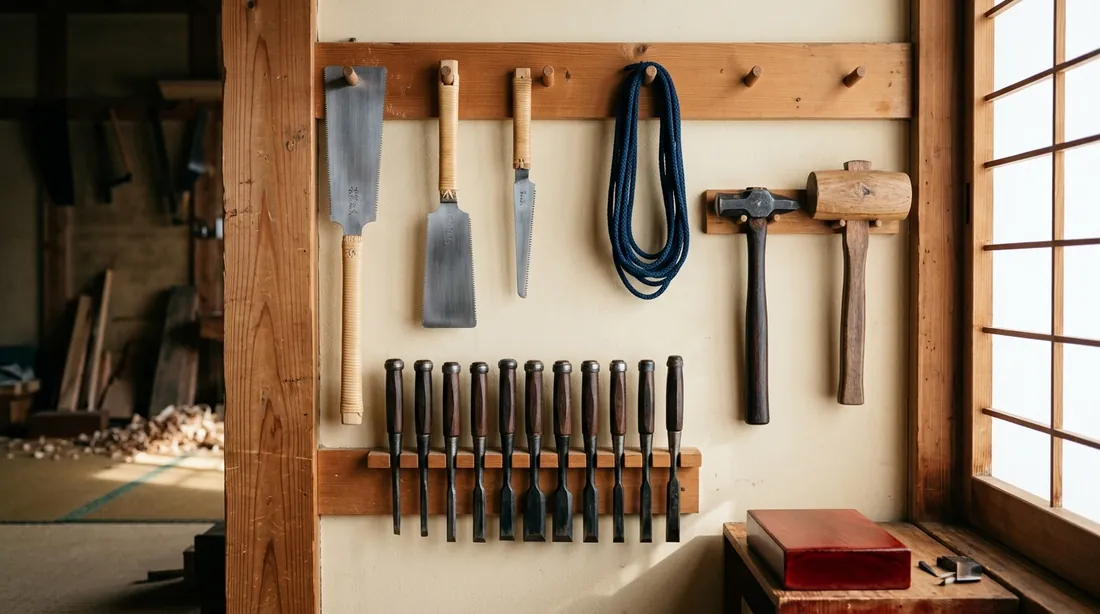
I work on Japanese sword fittings, kitchen knives, and custom handles from a small bench in Amsterdam-Noord. The workshop is open by appointment, and the queue stays short enough that I can give each piece proper attention.
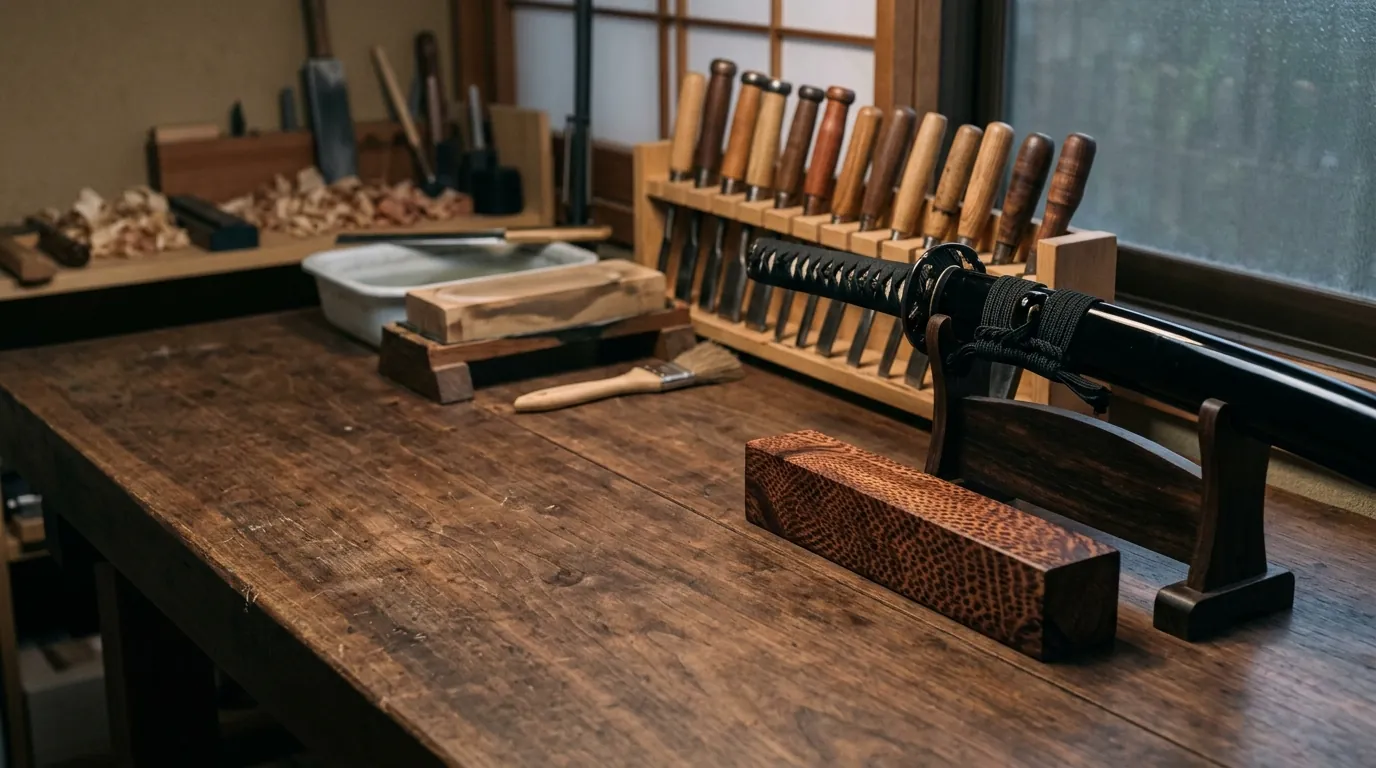
Katana & Snake is a one-person workshop in Amsterdam-Noord. I restore Japanese sword fittings, sharpen kitchen knives on water stones, and make custom handles, often from snakewood. There is no online shop, and work is by appointment only.
I do not polish blades. Traditional blade polishing belongs with a licensed togishi, and I will say so plainly if that is what your sword needs. I am also honest about what I cannot fix: cracked cores, active rust, or a saya that has lost too much wood may need another specialist or a different approach. The queue stays small so each piece gets proper attention.
Services
What comes across the bench
Saya restoration
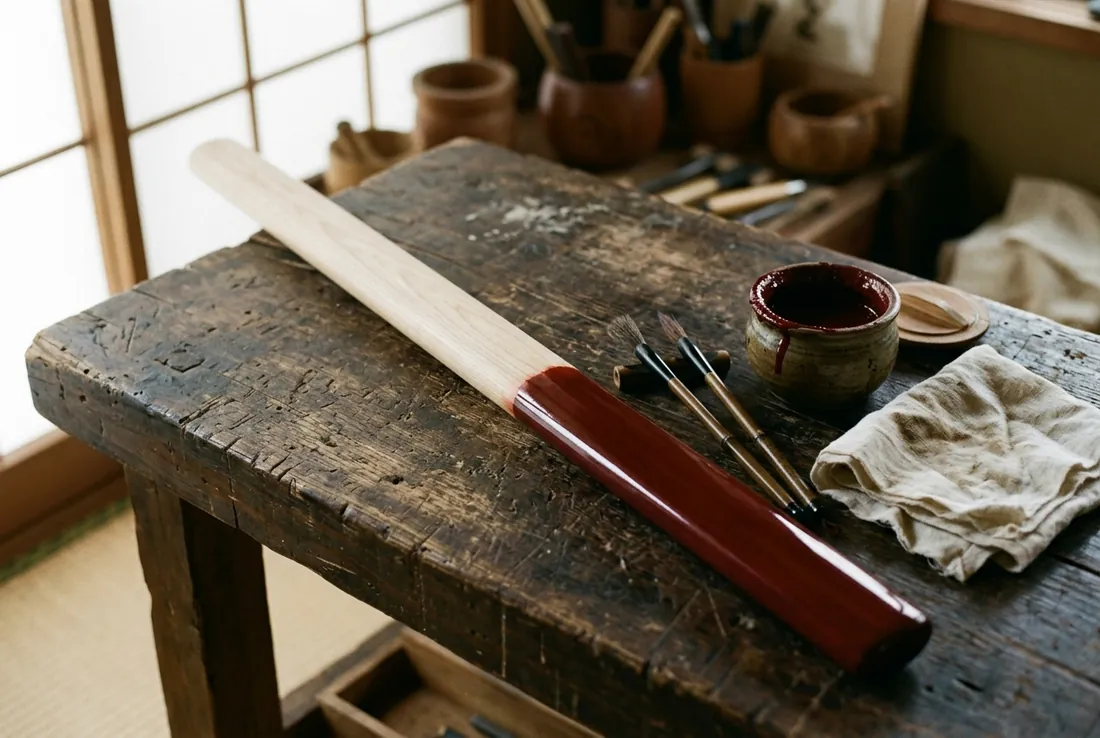
I repair and restore wooden scabbards: cracks, loose koiguchi, worn lacquer, and water stains where the wood allows. I keep the original fit and finish where possible, and I will tell you when a saya is better left alone. Work is by appointment.
from €80 / by quote
Tsuka re-wrapping
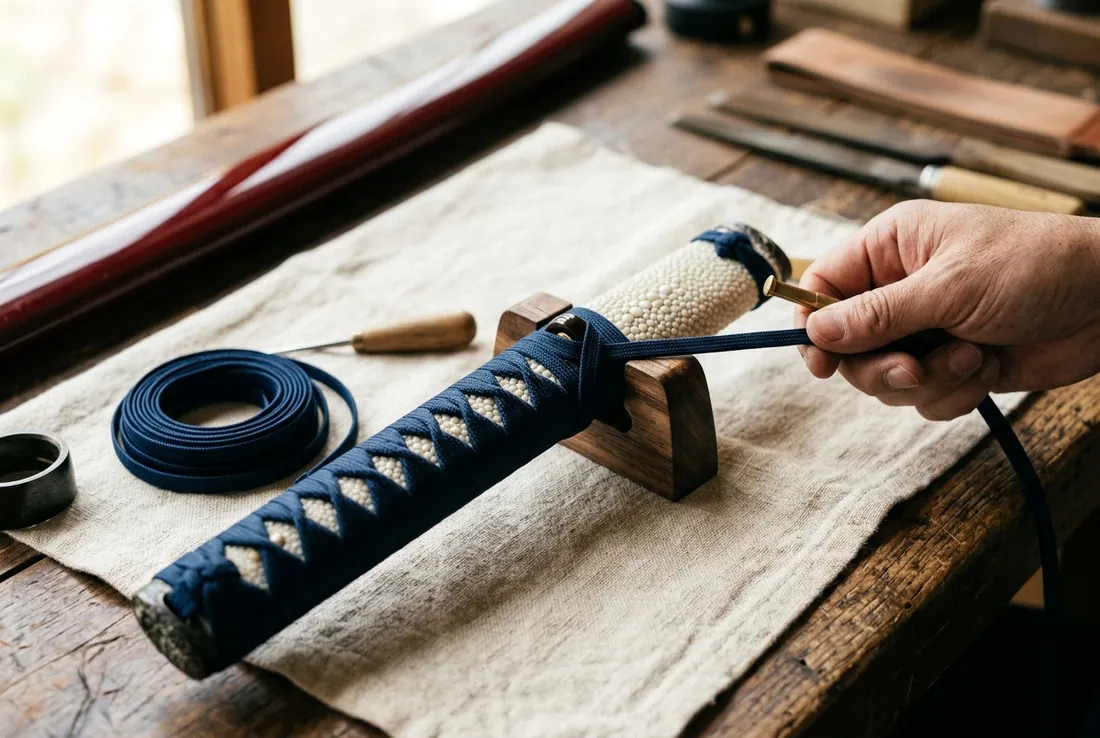
I re-wrap handles in silk or cotton ito, using traditional diamond patterns and samegawa where needed. Existing fittings are reused when sound; replacement parts are discussed first. This is handle work only, not blade polishing.
from €120 / by quote
Knife sharpening
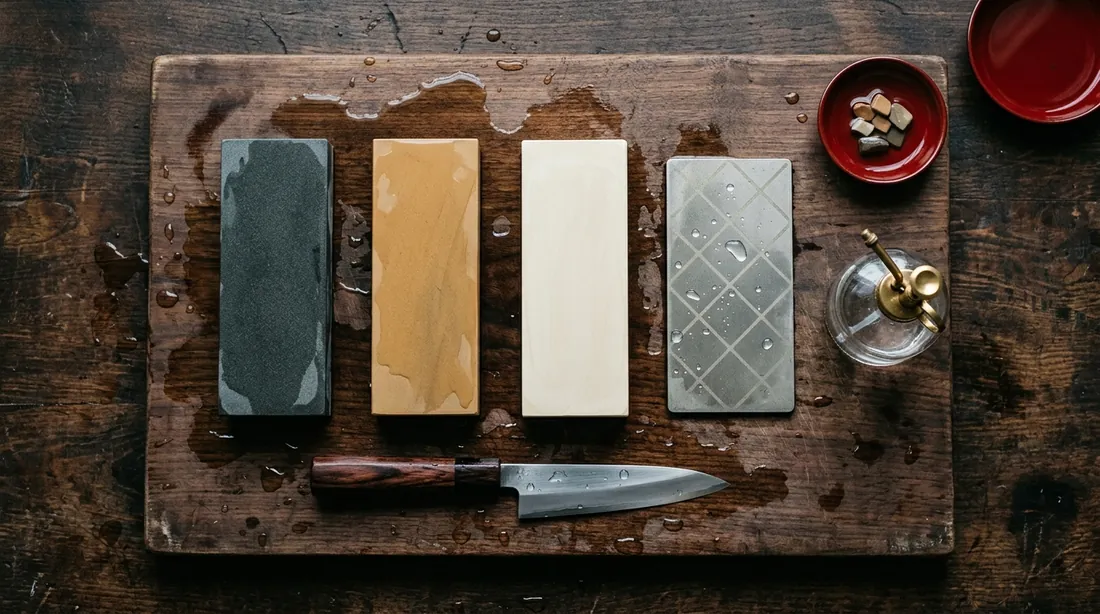
Kitchen knives are sharpened by hand on water stones, from simple carbon steel to harder stainless. I set a clean bevel and finish to the use you have in mind, whether that is vegetables, fish, or general kitchen work. Bring them by appointment.
from €25 / by quote
Custom snakewood handles
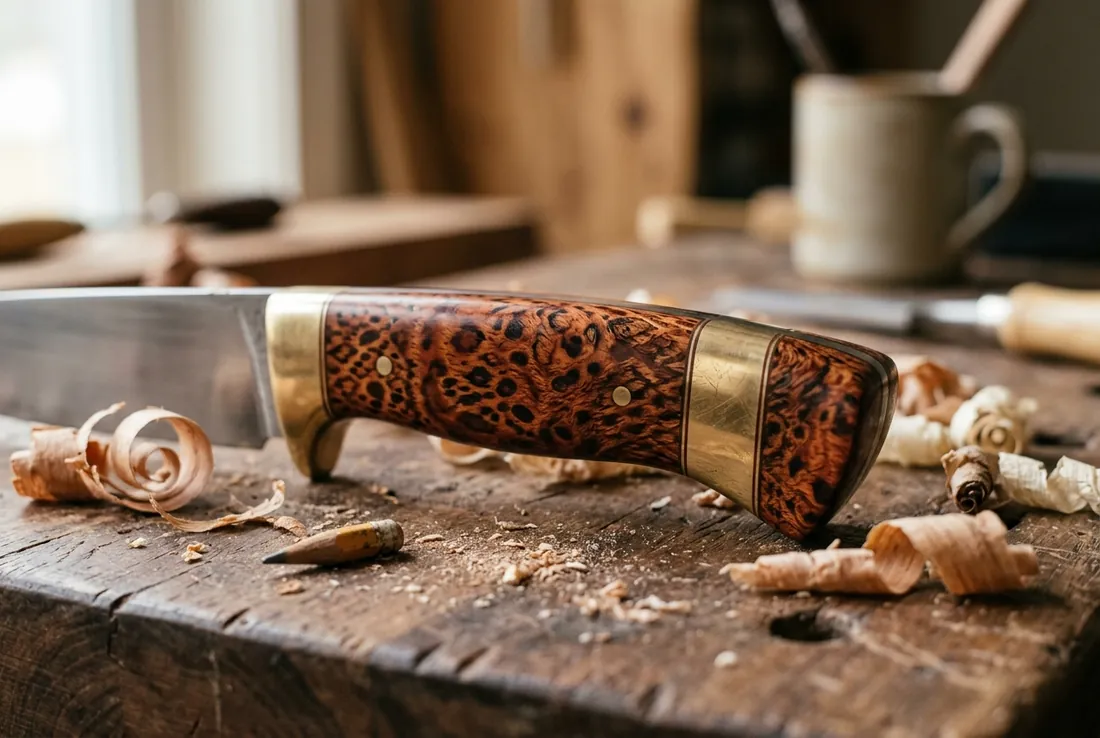
I make handles for knives and tools, often in snakewood, with attention to grain, balance, and fit. Snakewood is oily and brittle, so I choose stable pieces and glue with care. You can discuss shape and finish before work starts.
from €90 / by quote
How it works
From first note to pickup
First message
Send a note with what you have, a few clear photos, and what you hope for. I reply with whether it is a job I can take and what the queue looks like.
Assessment
If it seems suitable, we arrange a time in Amsterdam-Noord. I look at the piece in person, point out limits, and agree a scope before any work begins.
Work
I work at the bench in the order agreed, keeping you updated if something changes. Small jobs may be same week; larger restoration waits its turn.
Pickup
When it is ready, we arrange a pickup by appointment. I explain what was done, how to care for it, and what to watch for later.
No. I do not polish blades. Traditional Japanese blade polishing is done by a licensed togishi, and I can point you toward that route if you need it.
How long is the queue?
It varies with the work, but I keep a small queue. Most small jobs wait a few weeks; full restorations can take longer. I give an honest estimate when I see the piece.
Can I send by post?
Yes, for some fittings and handles, after we have discussed the work by message. I ask for careful packing and a note inside. Blades are a separate matter, and I do not handle their polishing.
Do you buy or sell swords?
No. I do not buy or sell swords or fittings. I only work on pieces you already own or have acquired elsewhere.
What woods besides snakewood?
I also use stable hardwoods such as walnut, maple, bog oak, and African blackwood, depending on the knife and the finish you want. If you have a piece of wood, I can look at it and say whether it suits the job.
How should I care for a sharpened knife?
Rinse and dry it by hand after use, and keep it out of the dishwasher. A few passes on a fine stone or ceramic rod when it starts to drag will keep it sharp. Heavy thinning can come back to the workshop.
Visit
By appointment
Visits are by appointment in Amsterdam-Noord, so please leave a note with what you have and a few clear photos. I answer when I am at the bench, usually within a few days.